
Table of Contents
- The Rise of Faith-Based Fashion
- Why Minimalist Christian Streetwear Is Trending
- Best Christian Streetwear Brands to Watch
- How to Style Christian Streetwear for Everyday Wear
- Fabric Quality and Technical Specs That Matter
- Ethical Production and Sustainable Fashion
- Conclusion: Wear Your Faith with Confidence
- Frequently Asked Questions
Last Updated: September 18, 2026
The Rise of Faith-Based Fashion
Faith-based fashion has moved from the church lobby to the street corner, and the shift happened faster than most retailers expected. This guide from Saved, not finished tracks how Christian streetwear became a genuine cultural movement rather than a niche novelty.
The core reason minimalist Christian streetwear is trending comes down to a generational change in how faith gets communicated. Younger believers want their convictions visible without turning every interaction into a sermon. Subtle design does that work quietly.
From Loud Graphics to Subtle Typography
The earliest wave of gospel apparel leaned on oversized crosses and shouting slogans. It worked for some, but it alienated plenty of people who found the messaging confrontational.
What replaced it was restraint. A single line of minimalist typography across the chest. A short phrase in a clean serif. The message stayed, the volume dropped.
That shift mirrors broader changes in fashion retail reporting on minimalist consumer preferences, where understated design has outperformed loud branding across multiple categories.
Why Minimalist Christian Streetwear Is Trending
Minimalist Christian streetwear is trending because it solves a real problem: how to signal belief in everyday settings without feeling like a walking billboard. The design language borrows from streetwear culture, boxy fits, neutral colorways, quality cotton, and applies it to faith-inspired messaging.
Three forces drive this:
- Wearability - subtle design works at work, at the gym, and at church
- Authenticity - text-based graphics read as intentional, not performative
- Versatility - a clean piece fits a capsule wardrobe instead of clashing with it
The Psychology of Passive Evangelism
Passive evangelism is the practice of letting your clothing open a door rather than forcing one. A shirt that says something quietly invites a question. A shirt that screams something ends the conversation before it starts.
Streetwear Culture Meets Spiritual Self-Expression
Streetwear has always carried identity. Sneaker culture, skate graphics, hip-hop typography, all of it signaled belonging before it signaled fashion.
Best Christian Streetwear Brands to Watch
The best Christian streetwear brands share three traits: they understand streetwear as a design language, they take garment quality seriously, and they don't treat faith as a marketing gimmick.
| Consideration | What to Look For | Why It Matters |
|---|---|---|
| Design approach | Subtle typography, clean layouts | Wearable in daily settings |
| Fabric weight | 6 oz. and up for tees | Holds shape after washing |
| Fit | Classic or boxy, true to size | Fits existing wardrobe |
| Message clarity | Readable at conversational distance | Starts real conversations |
| Production | Traceable cotton sourcing | Matches stated values |
How to Style Christian Streetwear for Everyday Wear
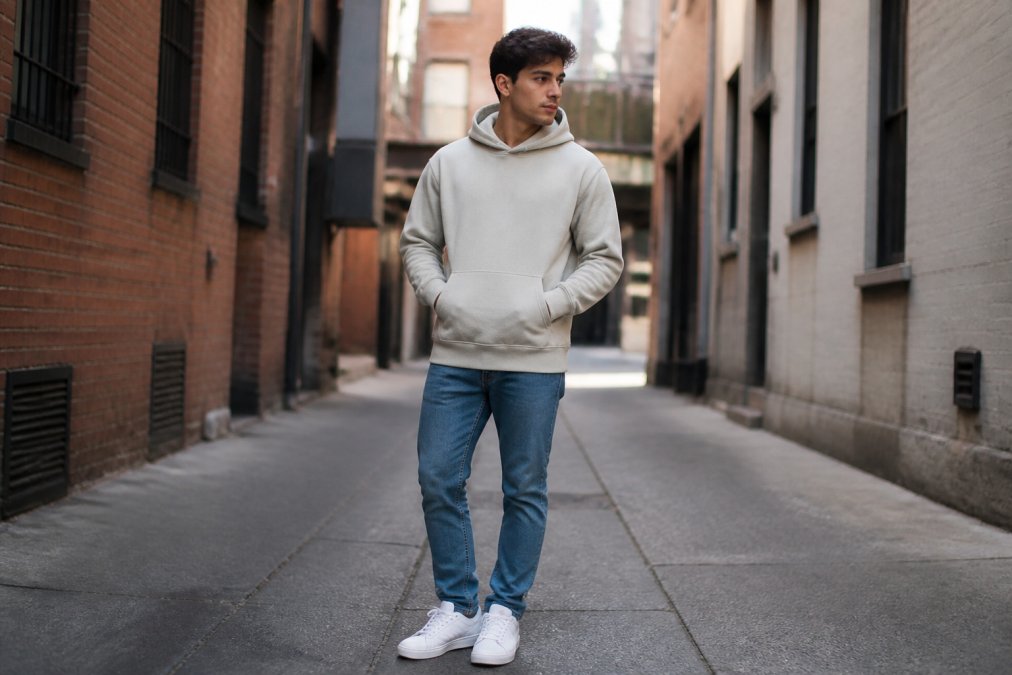
Styling Christian streetwear for everyday wear comes down to treating it like any other wardrobe staple, but the pieces only pull their weight if they slot into a system. The most useful system for this category is the capsule wardrobe, because a capsule forces every item to justify its space. If a faith tee can't work in three outfits, it isn't a capsule piece; it's a novelty.
Capsule Wardrobe Integration
A capsule wardrobe runs on a small set of pieces that combine in multiple directions. Most practitioners land on 20 to 36 items per season, but the working core is smaller, usually five to seven tops, two to three bottoms, one outer layer, and one shoe. Minimalist faith apparel earns a slot in that core because a plain tee with a short phrase reads as neutral in almost any combination.
A working five-piece core for this category:
- One neutral graphic tee (bone, sand, washed black, or heather grey)
- One heavyweight hoodie in a matching neutral
- One crewneck sweater for layering under an overshirt
- Dark denim or chinos with a straight or relaxed leg
- Clean low-profile sneakers in white or off-white
Fit, Fabric, and the Trade-Offs That Decide Longevity
Fit is where most faith apparel fails the capsule test. Boxy fits photograph well but swallow shorter frames; slim fits layer cleanly but read dated against the current streetwear silhouette. The practical answer is to match the fit to the layer position: relaxed for the outer piece, classic or slightly slim for anything worn underneath.
Styling Rules That Actually Hold Up
- Let one faith piece anchor the outfit, not three. Two graphic pieces compete; one reads as intentional.
- Match the fit to the setting: relaxed for weekends, classic for work, layered for church.
- Choose neutral tones so the text reads clearly at conversational distance.
- Keep accessories minimal, a single watch or chain, not both.
- Rotate on a schedule. Washing a 6 oz. tee after every wear shortens its life; air it between wears and wash cold, inside out, on a low cycle.
Fabric Quality and Technical Specs That Matter
Fabric quality is the difference between a faith tee you wear weekly and one that fades into a rag by month three. Most buyers learn this the hard way.
The specs worth checking:
- Weight: 6 oz. is the floor for a durable tee; anything lighter pills faster
- Fiber content: 100% cotton breathes better; blends resist shrinking
- Collar construction: double-needle stitching prevents the stretched-out neck
- Label type: tear-away labels remove the scratch factor
- Sleeve and hem: double-needle hems hold their shape through washing
Ethical Production and Sustainable Fashion
Ethical manufacturing has become a baseline expectation for younger buyers, not a bonus. Conscious consumerism shapes where this audience spends, but the category is also flooded with vague claims, which means the real skill is knowing what can be verified versus what is marketing language.
The practical signals to look for:
- Cotton grown and sourced domestically with fair-labor claims
- Manufacturing processes that reduce energy use
- Transparent supply chain information
- Durable construction that reduces replacement frequency
How to Actually Verify a Sustainability Claim
Most buyers stop at the label. The stronger move is to trace the claim to a source. Three checks separate real practices from marketing copy:
- Fiber origin. "Made in the USA" describes where the garment was cut and sewn, not where the cotton was grown. Those are different claims, and only one of them is regulated tightly. Look for language that names the cotton's origin separately from the sewing location.
- Energy claims. A manufacturer that says it runs on renewable energy should be able to name the source, wind, solar, hydro, and the percentage. A number without a source is a slogan.
- Labor claims. Fair-labor language should name the standard or the auditor. "Ethically made" alone means nothing; a named certification or a published factory list means something.
What Durable Construction Has to Do With Sustainability
The most underrated sustainability metric in apparel is how long a garment lasts. A tee that survives three years of weekly wear replaces roughly a dozen cheaper tees over the same period. That math matters more than most recycling programs, because the largest environmental cost in a cotton garment is incurred at production, not disposal.
The Trade-Off Buyers Should Expect
Domestically grown cotton and domestic manufacturing cost more than imported alternatives, and that cost shows up at retail. A buyer who wants verifiable sourcing should expect to pay a premium over fast-fashion faith apparel, and should expect the garment to last long enough that the per-wear cost is lower, not higher. That's the honest version of the sustainability pitch, and it's the one worth trusting.
Conclusion: Wear Your Faith with Confidence
The tension most believers feel is real: wanting to share their faith without turning every interaction into a pitch. Minimalist Christian streetwear resolves that tension by letting the garment do the opening work.
Frequently Asked Questions
Why is minimalist Christian streetwear becoming so popular?
Minimalist Christian streetwear is trending because it lets people express faith subtly without feeling preachy. Younger generations prefer clean typography and understated designs over loud graphics. This aligns with the shift toward capsule wardrobes and versatile pieces that work in everyday settings, from coffee shops to casual workplaces. The style also fits the broader streetwear culture that values quality construction and intentional design over flashiness.
Is minimalist Christian streetwear appropriate for church?
Yes, minimalist Christian streetwear is generally appropriate for church, especially in casual or contemporary services. The subtle designs avoid drawing attention away from worship while still reflecting your beliefs. Many churches welcome streetwear as part of a welcoming environment. If your church has a traditional dress code, you can still wear minimalist pieces on weekends or casual gatherings. The key is balancing respect for the setting with personal expression.
How can I style Christian streetwear without looking too bold?
To style Christian streetwear subtly, pair a minimalist hoodie or tee with neutral bottoms like black jeans or khakis. Layer with an open flannel or denim jacket to tone down the message if needed. Choose pieces with small text or simple symbols rather than large graphics. For a clean look, stick to a monochrome palette and let one faith-based item be the focal point. This approach keeps your outfit fashion-forward while sharing your faith naturally.
What should I look for in quality Christian streetwear?
Check fabric weight and material composition. Heavier cotton, like 6 oz. or more, holds up better after washing. Look for details like double-needle stitching, taped neck and shoulders, and tear-away labels for comfort. Brands that use sustainably grown cotton and ethical manufacturing also indicate better quality. Avoid super-thin fabrics that pill or fade quickly. Reading size charts and customer reviews helps ensure a good fit and longevity.
The hardest part of faith-based fashion isn't finding a message. It's finding apparel that holds up long enough to carry it. Saved, not finished builds tees, hoodies, and sweaters on verifiable fabric specs, fair-grown USA cotton, and designs made to start conversations rather than end them. Get started with Saved, not finished and make your faith part of an everyday statement.