
Table of Contents
- The Real Cost of Ethical Manufacturing
- Small-Batch Production vs. Mass Manufacturing
- Fabric Quality and Garment Construction Standards
- Best Christian Streetwear Brands and Their Values
- How to Style Christian Streetwear for Maximum Impact
- Ethical Fashion Standards and Supply Chain Transparency
- Cost-Per-Wear: The Long-Term Value Argument
- Conclusion
Last Updated: August 30, 2026
The Real Cost of Ethical Manufacturing
The difference between a $25 tee and a $50 tee comes down to who made it, how it was made, and what that process actually costs. Ethical manufacturing isn't a marketing buzzword, it's a commitment that directly impacts your product. Brands that prioritize fair wages, safe working conditions, and transparent supply chains face higher production costs at every stage.
At Saved, not finished, we understand this tension. Our tees like the Still Fighting Tee and walking it out Tee are built on heavyweight cotton that costs more upfront because of where and how it's sourced. The premium price reflects a choice: to make apparel that aligns with biblical principles of stewardship and fair dealing, not just profit maximization. When a brand tells you their Christian streetwear costs more, they're often being transparent about labor practices most competitors won't discuss. You're not just buying a shirt, you're voting with your wallet for how you believe people should be treated.

Small-Batch Production vs. Mass Manufacturing
Mass manufacturing operates on economies of scale: the more units produced, the lower the per-unit cost. Small-batch production means shorter runs, more frequent design changes, and higher setup costs per unit. When a brand like Saved, not finished releases limited designs instead of churning out the same graphic indefinitely, each batch requires new screens, new dye lots, and new production scheduling.
Mass manufacturers optimize for volume and speed, sourcing the cheapest materials and outsourcing to countries with minimal labor regulations. Small-batch producers work with fewer, more carefully selected manufacturers, maintaining relationships rather than contracts. This approach aligns with kingdom-minded business principles: instead of extracting maximum profit from minimum investment, small-batch brands invest in quality and relationships.
Mass manufacturers produce thousands of units, betting on what will sell, with unsold stock often ending up in landfills. Small-batch producers make only what they can sell, reducing waste and ensuring every piece matters. The Obed over Opin Tee and By Grace tee from Saved, not finished exemplify this approach, limited releases mean each design carries weight.

Fabric Quality and Garment Construction Standards
Standard streetwear uses 5-6 oz. cotton (peer-reviewed research). Premium Christian streetwear uses 7.5 oz. or heavier. That difference changes everything about how a shirt feels, wears, and lasts. Heavyweight cotton costs more because it requires more raw material and more careful processing. The 16-single construction used in quality tees means thicker individual yarns twisted together, creating fabric that resists pilling, holds its shape through dozens of washes, and improves with age.
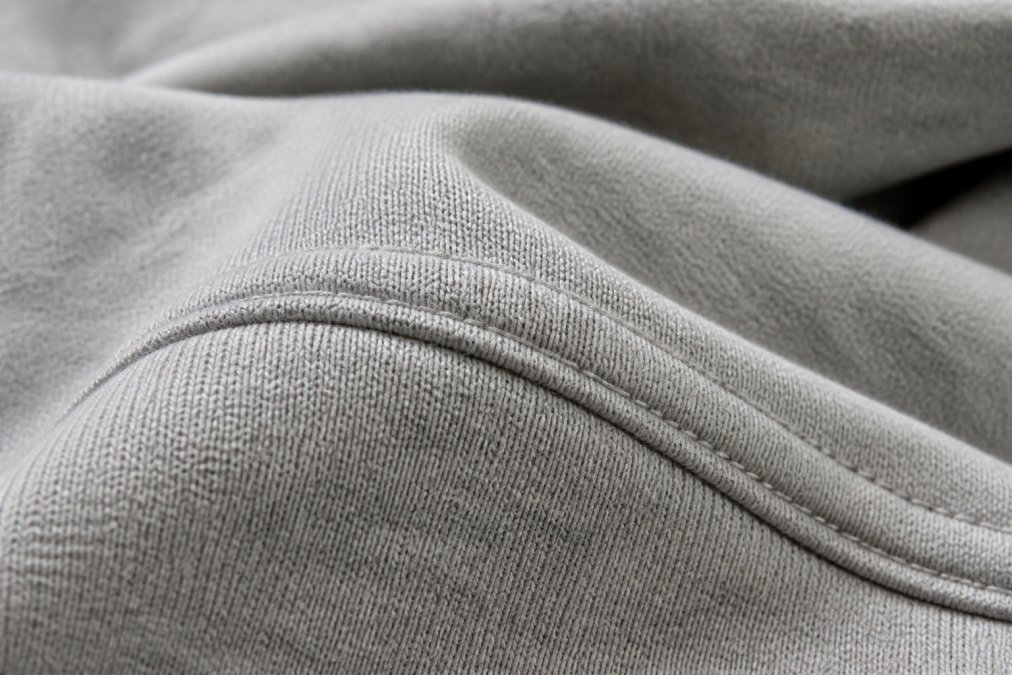
Construction standards separate premium apparel from disposable clothing. Double-needle stitching on sleeves and hems costs more but holds for years instead of a season. The neck tape prevents stretching and keeps the shirt looking intentional after 50 washes. USA-sourced cotton adds cost but ensures traceability and accountability that imported materials don't require.
The lycra neck rib prevents the neckline from stretching out, a small addition that costs pennies but makes the difference between a tee that looks new after a year and one that looks worn after a month. Shoulder-to-shoulder neck tape reinforces the entire shoulder seam, distributing stress and extending garment life significantly.
The cost-per-wear argument becomes obvious: a $25 tee worn 20 times costs $1.25 per wear, while a $28 tee worn 200 times costs 14 cents per wear. Quality construction isn't just better, it's economically rational.
Best Christian Streetwear Brands and Their Values
What separates a genuine Christian streetwear brand from a secular brand with a cross slapped on it? Transparency about values and supply chain. Real brands can name their manufacturers, explain their material choices, and articulate how their business practices reflect their beliefs.
Saved, not finished stands out because designs start with message, not trend. The Still Fighting Tee, walking it out Tee, Obed over Opin Tee, and By Grace tee aren't designed to be subtle, they're conversation starters. The graphics are bold enough that people notice and ask what they mean. The price point, ranging from $24.63 to $28.46, reflects heavyweight Shaka Wear fabric, domestic sourcing, limited batch production, and designs created to ignite conversation.
Other legitimate Christian streetwear brands share these characteristics: they source ethically, communicate transparently about costs, support faith communities through partnerships or giving, and design for impact rather than invisibility. Brands that simply add religious imagery to cheap blanks and mark them up aren't offering anything different from fast fashion with a faith twist.
How to Style Christian Streetwear for Maximum Impact
Bold apparel requires intentional styling. The goal is to look confident in your conviction while fitting into your actual life: work, casual hangouts, community events.
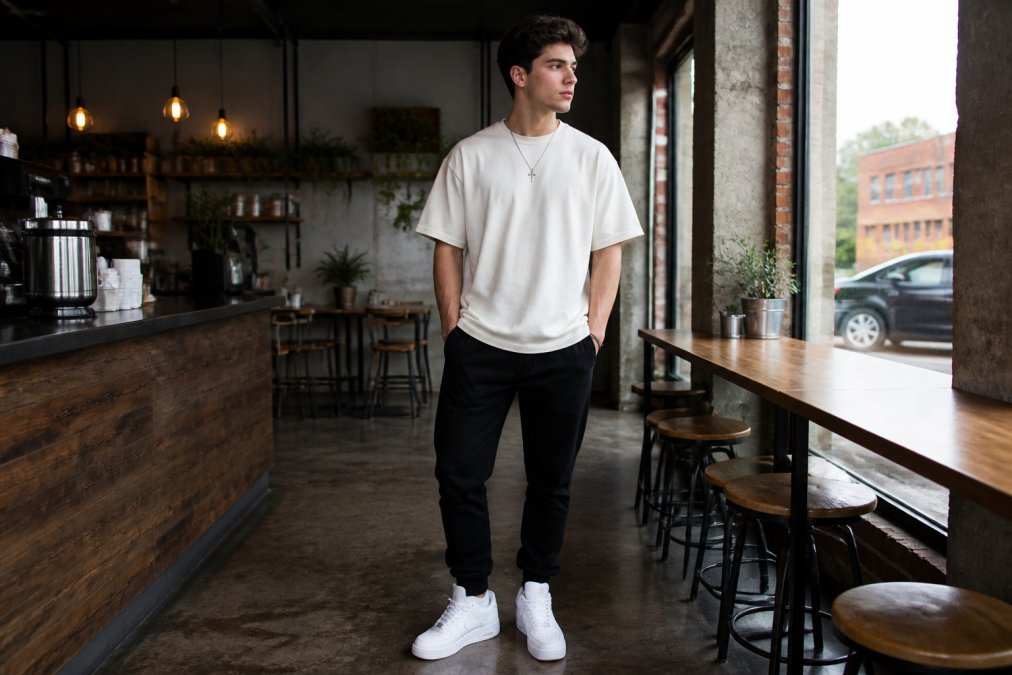
The foundation is fit. Oversized or drop-shoulder cuts feel intentional, not accidental. Pairing matters, neutral bottoms let the message breathe. Avoid competing graphics that fight for attention. Layering extends versatility: a Christian streetwear tee under an open shirt works for professional settings, while it stands alone in casual contexts.
Accessories should be minimal. A quality watch, simple chain, or subtle bracelet complements the look without competing with the apparel. When you wear Christian streetwear that reflects your values, you carry yourself differently. That confidence translates into how you present yourself.
Seasonal styling adjusts the approach, but consistency matters most. Wearing Christian streetwear occasionally makes it a novelty; wearing it as part of your regular rotation signals this is who you are. People notice consistency more than single instances.
Ethical Fashion Standards and Supply Chain Transparency
The apparel industry ranks among the worst for labor exploitation and environmental damage (ilo.org). Fast fashion has normalized the idea that a tee should cost $5 and last a season, a price point only possible through practices most consumers wouldn't accept if they knew about them.
What matters for Christian streetwear is alignment between stated values and actual practices. If a brand claims biblical principles guide their business, that should extend to how they treat workers. Proverbs speaks repeatedly about fair wages, honest dealing, and stewardship.
Supply chain transparency means knowing where cotton comes from, which factories produce garments, and what conditions workers face. Brands that hide these details usually have something to hide. Brands that publish them, naming specific factories and documenting labor practices, are making themselves accountable. That accountability infrastructure shows up in the final price.
Environmental impact extends beyond labor. Cotton production uses significant water and pesticides (fao.org). Dyeing creates chemical waste. Ethical brands minimize these impacts through material choices, production methods, and distribution strategies. Domestic manufacturing reduces shipping distance. Heavyweight fabric reduces replacement frequency. Limited batches reduce overproduction and waste. Stewardship isn't just a buzzword, it's a biblical mandate reflecting responsibility and care.
Cost-Per-Wear: The Long-Term Value Argument
A $20 fast-fashion tee worn 20 times costs $1 per wear. A $28 premium tee worn 200 times costs 14 cents per wear. Quality construction extends lifespan through heavyweight fabric that resists pilling and fading, double-needle stitching that holds through countless washes, and proper dye processes that maintain color.
The environmental argument reinforces this: buying one quality tee instead of five cheap ones reduces consumption, waste, and your personal environmental footprint. This aligns with stewardship principles, using fewer resources to achieve the same goal is efficient and responsible.
Consumer stewardship extends to financial stewardship. Spending more upfront on quality apparel means spending less overall on clothing. The money saved by not replacing cheap tees constantly can go toward other priorities, giving, saving, or investing in your community.
Quality also means consistency. Cheap tees vary in fit, color, and durability from batch to batch. Premium tees maintain standards. When you buy the Still Fighting Tee or By Grace tee, you know what you're getting. That reliability has value. Wearing quality apparel that reflects your values creates a positive feedback loop: you feel better about what you're wearing, take better care of it, wear it more, and the garment lasts longer.
Christian streetwear costs more because it's built on different principles than fast fashion. Ethical manufacturing, quality materials, intentional design, and supply chain transparency all add cost, but they also add value in durability, alignment with your beliefs, and the conversations your apparel sparks.
When you're ready to invest in apparel that reflects your faith and values, Saved, not finished offers designs built on heavyweight Shaka Wear fabric with construction standards designed to last. The Still Fighting Tee, Obed over Opin Tee, walking it out Tee, and By Grace tee are each priced to reflect their materials and production ethics. Start with the piece that resonates with your message, and experience the difference quality makes.
Frequently Asked Questions
Why does Christian streetwear cost more than regular streetwear?
Christian streetwear typically costs more because of ethical manufacturing practices, fair wages for workers, small-batch production runs, and premium fabric quality. Brands committed to kingdom-minded values invest in supply chain transparency and sustainable materials rather than chasing fast fashion margins. The price reflects the actual cost of producing garments responsibly, not just markup.
What ethical fashion standards should I look for in Christian apparel?
Look for brands that disclose labor conditions, use sustainable materials, and maintain transparent supply chains. Verify that manufacturers pay fair wages and maintain safe working environments. Check if the brand uses heavyweight cotton or other durable textiles that reduce textile waste. Brands practicing conscious consumerism should be able to explain their production process and material sourcing clearly.
How does cost-per-wear make expensive Christian streetwear a better value?
Cost-per-wear divides the garment's price by how many times you'll wear it. A $28 heavyweight tee worn 200 times costs 14 cents per wear, while a $12 fast fashion shirt worn 20 times costs 60 cents per wear. Premium Christian streetwear lasts longer due to superior garment construction and durable fabrics, making it cheaper over time and reducing your contribution to throwaway culture.
Does the faith message on Christian streetwear justify the higher price?
The faith message itself doesn't justify higher costs, but the production methods behind faith-based apparel often do. Brands like Saved, not finished use 7.5 oz. heavyweight cotton with double-needle stitching and shoulder-to-shoulder neck tape, which are construction techniques that cost more. The message reflects the brand's values, but the price premium comes from quality materials and ethical manufacturing practices.
This article was written using GrandRanker