
Table of Contents
- What Ethical Manufacturing Means in Christian Apparel
- The Faith Connection: Why Christian Values Demand Ethical Practices
- Fair Labor Practices in Apparel: The Human Impact
- Environmental Benefits of Ethical Manufacturing
- Ethical Clothing Certifications: How to Verify What You're Buying
- How to Shop for Ethically Made Clothing: A Practical Guide
- Quality, Durability, and Long-Term Value
- Conclusion
- Frequently Asked Questions
Last Updated: October 6, 2026
What Ethical Manufacturing Means in Christian Apparel
Ethical manufacturing apparel means producing clothing through practices that respect workers, protect the environment, and maintain transparency throughout the entire supply chain. For Christian apparel specifically, this means aligning production methods with faith values around dignity, stewardship, and justice. When you buy ethically made Christian clothing, you're supporting companies that ensure fair wages, safe working conditions, and responsible sourcing of materials from the ground up.
At Saved, not finished, we believe that how clothing gets made matters just as much as what it says. The journey from raw material to finished garment involves countless hands and decisions. Ethical manufacturing in Christian apparel recognizes that each person in that chain, from cotton farmers to factory workers to quality inspectors, deserves respect and fair treatment. This isn't just a business practice; it's an expression of Christian values about human dignity and creation care.
The difference between ethical and conventional manufacturing shows up in concrete ways. Ethical producers track their supply chains, verify working conditions, and maintain long-term relationships with suppliers rather than chasing the cheapest option. They invest in worker training, safety equipment, and fair compensation. For Christian apparel makers, this commitment reflects the belief that faith expressed through clothing should never come at the expense of someone else's wellbeing.
The Faith Connection: Why Christian Values Demand Ethical Practices
Christian ethics have always centered on how we treat the vulnerable and how we steward what we've been given. When it comes to apparel production, this translates directly into supporting manufacturing practices that protect workers and respect creation. Scripture emphasizes caring for "the least of these" and working with integrity, principles that apply to every industry, including fashion.
Many faith communities recognize a disconnect between wearing messages about love and justice while wearing clothes made under unjust conditions. That tension is what drives the ethical manufacturing movement in Christian apparel. If your shirt proclaims a message of faith, the conditions under which it was made should reflect that same faith. Workers deserve living wages, safe environments, and dignified treatment, not as a marketing advantage, but as a moral imperative rooted in Christian teaching about human worth.
The environmental stewardship aspect matters equally. Christian responsibility includes caring for creation, which means considering how textile production affects water systems, soil health, and air quality. Ethical manufacturing addresses these concerns through responsible material sourcing and waste reduction. When you choose ethically made Christian apparel, you're making a statement that your faith extends to how you treat the planet and the people who depend on it.
Fair Labor Practices in Apparel: The Human Impact
Fair labor practices in apparel production ensure workers earn living wages, work reasonable hours, and operate in safe conditions. For Christian apparel, this becomes a direct expression of valuing human dignity.
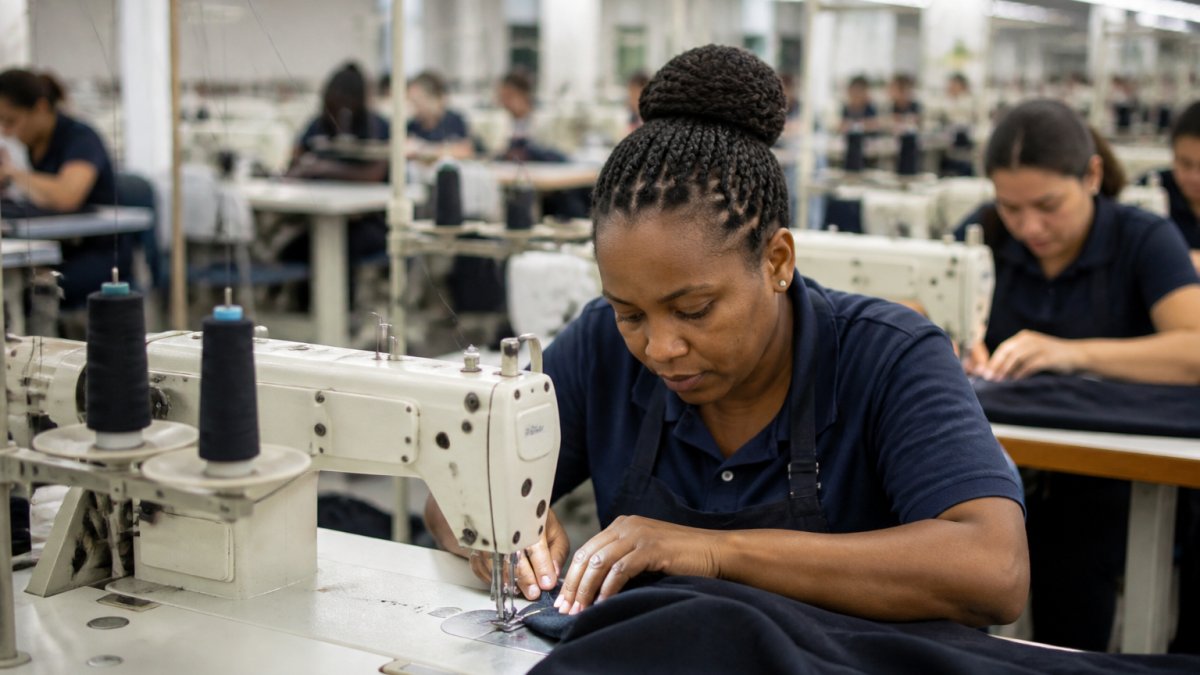
Ethical manufacturers take a different approach. They commit to paying workers a living wage, compensation that covers food, housing, healthcare, education, and other essentials in the worker's actual location. They invest in workplace safety, provide protective equipment, limit working hours, and create grievance mechanisms so workers can raise concerns without fear of retaliation.
The human impact extends beyond individual workers to entire communities. When ethical manufacturers establish long-term relationships with suppliers and pay fairly, they create economic stability that allows workers to invest in education for their children, improve their homes, and participate in community life.
For Christian apparel specifically, fair labor practices connect directly to the commandment to treat others as you'd want to be treated. If you wouldn't accept the wages, hours, and conditions offered to apparel workers in many conventional factories, supporting ethical manufacturing becomes a way of living out that conviction through your purchasing decisions.
Environmental Benefits of Ethical Manufacturing
Ethical manufacturing addresses the environmental damage created by conventional textile production. The fashion industry consumes enormous quantities of water, generates significant chemical pollution, and contributes to climate change through transportation and energy use. Ethical manufacturers reduce this impact through responsible material sourcing and production methods.
Sustainable materials form the foundation of environmentally conscious apparel. Organic cotton eliminates synthetic pesticides and fertilizers that contaminate soil and water systems. Manufacturers using organic cotton support farming practices that build soil health and reduce greenhouse gas emissions compared to conventional cotton agriculture.
Manufacturing processes matter equally. Ethical producers minimize water use through closed-loop systems that recycle dye water and reduce chemical pollution. They invest in energy-efficient equipment and often source renewable energy. Waste reduction programs ensure that fabric scraps become new products rather than landfill material.
The carbon footprint of ethical manufacturing tends to be lower than conventional production, partly because ethical manufacturers often operate closer to their markets, reducing transportation distances. They're also more likely to maintain facilities long-term rather than constantly shifting production to cheaper locations, which reduces the environmental cost of building new factories.
For Christian apparel wearers, environmental stewardship through ethical manufacturing connects to the Genesis account of humanity's role as caretakers of creation. Supporting manufacturers that protect water systems, reduce chemical pollution, and minimize carbon emissions becomes an expression of that responsibility.
Ethical Clothing Certifications: How to Verify What You're Buying
Certifications provide third-party verification that apparel meets specific ethical standards. When shopping for ethically made Christian apparel, understanding these certifications helps you verify claims rather than relying solely on marketing language. Several established standards exist, each addressing different aspects of ethical manufacturing.
Fair trade certifications verify that producers receive fair compensation and operate under agreed-upon standards. These certifications typically involve independent audits and require documented supply chains.
Organic certifications for materials confirm that fibers were grown without synthetic pesticides or fertilizers. Look for certifications from recognized bodies that verify the entire production chain from farm to finished product.
Labor certification standards like SA8000 audit factory conditions against specific requirements for wages, hours, safety, and worker rights (SA8000:2026 Standard). These certifications involve regular inspections and require corrective action plans when problems are found. Manufacturers displaying these certifications have submitted to external accountability.
When evaluating certifications, consider the certifier's reputation and scope. Some certifications address only one aspect of ethical manufacturing (like fair wages), while others attempt comprehensive coverage. Legitimate certifications involve independent audits, transparent standards, and public accountability.
For Christian apparel, certifications provide concrete evidence that the manufacturer's claims align with actual practices. This transparency allows you to make purchasing decisions based on verified information rather than marketing promises alone.
How to Shop for Ethically Made Clothing: A Practical Guide
Shopping for ethically made Christian apparel requires knowing what to look for and where to find it. Here's a step-by-step approach to making informed purchases that align with your values.
1. Research the brand's supply chain. Before buying, visit the company's website and look for transparency about where and how their apparel is made.
2. Check for third-party certifications. Look for certifications from recognized bodies. Verify that certifications are current and legitimate by checking the certifier's website.
3. Evaluate material choices. Read product descriptions carefully. Ethical apparel typically specifies whether materials are organic, recycled, or otherwise sustainably sourced. If a product description doesn't mention material sourcing, ask the company directly.
4. Compare price points carefully. Ethically made apparel typically costs more than conventional clothing because ethical manufacturing practices cost more. However, price alone doesn't guarantee ethics.
5. Look for longevity in design and quality. Ethical manufacturing often produces higher-quality garments designed to last longer. Examine construction details, fabric weight, and seam quality.
6. Connect with brand communities. Many ethical apparel brands maintain active communities where customers share experiences and discuss the brand's practices.
7. Support brands with consistent messaging. Ethical brands typically maintain consistent messaging about their values across all communications. They don't market themselves as ethical only when convenient. This consistency signals genuine commitment rather than opportunistic marketing.
Quality, Durability, and Long-Term Value
Ethical manufacturing produces apparel designed and built to last. This durability creates genuine long-term value that justifies higher upfront costs. When you buy ethically made Christian apparel, you're investing in pieces that will remain in your wardrobe for years, not months.
Quality construction matters because it determines how long clothing survives regular wear and washing. Ethical manufacturers use higher-quality materials and invest in skilled labor for construction. Seams are reinforced, hems are properly finished, and fabric is selected for durability.
Durability also creates environmental benefits. A shirt that lasts five years has a significantly lower environmental impact per year of wear than a shirt that falls apart after two years. This reality means that buying fewer, higher-quality pieces is more sustainable than constantly replacing cheap clothing.
The long-term value calculation for ethical manufacturing apparel changes when you factor in durability. A ethically made Christian apparel piece that costs more upfront but lasts years becomes economical compared to cheaper alternatives that require frequent replacement.
Many customers report that ethically made apparel holds its shape, color, and comfort through years of wear. This consistency means you can confidently wear these pieces regularly without worrying about premature deterioration. For clothing meant to spark conversations about faith, having pieces that look sharp and intentional matters.
Conclusion
Ethical manufacturing in Christian apparel isn't a luxury option, it's an alignment of values with actions. When you wear faith-inspired clothing, you're making a statement about what you believe. That statement becomes more authentic when the garment itself reflects those same values through fair labor practices, environmental stewardship, and transparent sourcing.
Choosing ethically made apparel means supporting manufacturers who respect workers, protect creation, and maintain accountability. It means your clothing budget votes for a fashion industry that honors human dignity and environmental responsibility. At Saved, not finished, we're committed to producing apparel that makes faith an everyday statement, not just through bold designs that spark conversation, but through manufacturing practices that honor the people and planet involved in creating them. When you wear our pieces, you're wearing more than a message; you're wearing a commitment to values that go all the way through the supply chain. Shop now and invest in apparel that reflects your complete faith journey.
Frequently Asked Questions
What does ethical manufacturing mean in Christian apparel?
Ethical manufacturing in Christian apparel means producing clothing with respect for workers, the environment, and transparency throughout the supply chain. It includes fair wages, safe working conditions, sustainable materials, and honest sourcing practices. For faith-driven brands, this aligns production methods with Christian values of stewardship, human dignity, and justice. Ethical manufacturing ensures that every person involved in creating your apparel, from cotton farmers to factory workers, is treated fairly and respected.
How can I tell if Christian apparel is actually ethically made?
Look for third-party certifications like Fair Trade Certified, Global Organic Textile Standard (GOTS), or B Corp certification. Check the brand's website for transparent supply chain information, factory details, and labor practice statements. Ask specific questions: Where is it made? Who produces it? What materials are used? Reputable ethical brands publish this information openly. Request documentation or certifications before purchasing, and be skeptical of brands that make ethical claims without verifiable proof or transparency.
Why should I pay more for ethically made apparel when cheaper options exist?
Ethically made apparel costs more because workers earn fair wages, factories maintain safe conditions, and sustainable materials are sourced responsibly. You're paying for quality that lasts longer, reducing waste and long-term costs. Beyond economics, your purchase directly supports dignified work and environmental stewardship. For faith-driven consumers, ethical spending aligns your money with your values, ensuring your clothing doesn't come at the expense of vulnerable workers or the planet God calls us to steward.
What fair labor practices should I look for in apparel manufacturing?
Essential fair labor practices include living wages (not just minimum wage), reasonable working hours, safe working conditions with proper ventilation and equipment, freedom of association and collective bargaining, no child labor, and written contracts in workers' native languages. Look for brands that conduct regular factory audits, maintain long-term supplier relationships, and publicly report on labor standards. Certifications like Fair Trade verify these practices independently. Ethical brands should be transparent about their factory locations and willing to share details about worker treatment and compensation.