
Table of Contents
- What Makes Christian Apparel Eco-Friendly
- Comparing Eco-Friendly Options Side by Side
- Organic Cotton Christian Shirts: What the Label Tells You
- How to Shop for Ethical Clothing Without Getting Fooled
- How Sustainable Christian Clothing Brands Prove Their Claims
- Sustainable Clothing Care Tips That Extend Wear
- Cost Per Wear: Why a $16.13 Tee Beats a $9 Bargain
- Conclusion
- Frequently Asked Questions
Last Updated: October 17, 2026
What Makes Christian Apparel Eco-Friendly
Eco friendly christian apparel options start with three verifiable questions: what the fabric is made of, how the design is printed, and who made the garment. This guide from Saved, not finished breaks down how to check each one before you spend money on faith-based fashion.
Here's the uncomfortable truth most shopping guides skip: a shirt can say "sustainable" on the hangtag and still be conventional cotton with a plastisol print and no labor transparency. The label is marketing. The supply chain is the fact.
Below, we'll show you exactly how to read a garment's real footprint, compare options side by side, and calculate cost per wear so a slightly higher price stops looking expensive.
Fabric, Printing, and Labor: The Three Tests
Fabric is the first test. Organic cotton, hemp, Tencel, and recycled fabrics carry a smaller environmental footprint than conventional cotton, which is water and pesticide intensive. Natural fibers generally biodegrade; synthetic blends do not.
Printing is the second. Water-based and non-toxic inks break down more cleanly than plastisol, and direct-to-garment printing avoids the screens and chemical cleanup of traditional screen printing. Biodegradable inks are the emerging standard.
Labor is the third, and the one most brands dodge. Fair labor practices mean a disclosed factory list, published audits, and a named supply chain. If a brand can't tell you where the garment was sewn, that's your answer.
Comparing Eco-Friendly Options Side by Side
A side-by-side comparison is only useful if the columns measure something that actually varies. In this line, the base garment is identical across styles, a 5.3 oz. preshrunk cotton tee made with sustainably and fairly grown USA cotton, with a seamless rib at the neck, taped shoulder-to-shoulder construction, double-needle stitching throughout, and a tear-away label. So the honest comparison separates two things: what changes between styles (design and print placement) and what you should verify on any eco friendly christian apparel option before you buy (fiber, certification, print chemistry, labor disclosure, and fit).
| Product | Price | Fabric | Print Placement | Best For |
|---|---|---|---|---|
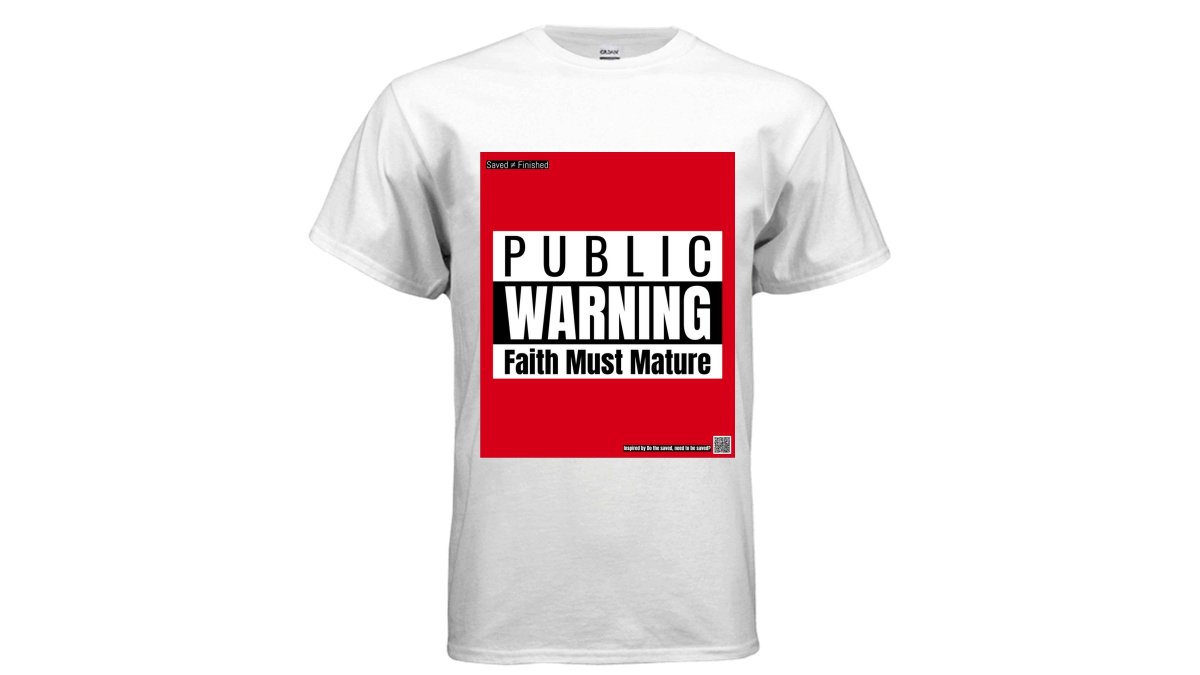
| Faith Must Mature Tee | $16.13 | 100% preshrunk cotton (solid colors) | Front graphic | Conversation starters |
| My Faith Tee | $16.13 | 100% preshrunk cotton (solid colors) | Front graphic | Everyday wear |
| Grace Tee | $16.13 | 100% preshrunk cotton (solid colors) | Front graphic | Minimalist styling |
| Grace Guides Tee | $16.13 | 100% preshrunk cotton (solid colors) | Front graphic | Layering |
| Saved Branded Tee | $16.13 | 100% preshrunk cotton (solid colors) | Front graphic | Brand loyalists |
The Evaluation Criteria That Actually Matter
Because all five styles land at $16.13 and share a base fabric, price and fiber are not differentiators within this line. Use the same five criteria any careful shopper should apply across brands, and score each option you consider:

- Fiber and certification. Is the fiber content disclosed as a percentage? If organic is claimed, is there a named certification with a number you can look up? "100% cotton" is a composition statement; "organic" is an agricultural claim that requires a certifier.
- Print chemistry. Ask whether the print is water-based, plastisol, or direct-to-garment, and whether the ink is phthalate-free. Water-based and DTG prints generally break down more cleanly than plastisol.
- Labor disclosure. Does the brand publish a factory list or name its suppliers? A disclosed supply chain is evidence; a values statement is not.
- Construction and durability. Look for taped shoulders, double-needle stitching, and a seamless rib, the details that keep a tee from twisting or splitting at the seams.
- Fit and sizing. Check the size range and garment measurements rather than assuming your usual size. Fit details are where brand-led descriptions are thinnest.
Reading the Fine Print on Colorways
One caveat worth stating plainly: heather and antique colorways in this line are cotton-poly blends, not 100% cotton. If pure natural fiber matters to you, choose a solid color. The FTC's textile labeling rules require fiber content to be disclosed, so check the tag before you assume, and treat the solid-color styles as the ones that meet a strict natural-fiber standard.
Organic Cotton Christian Shirts: What the Label Tells You
An organic cotton Christian shirt should tell you four things on the label: fiber content, country of origin, care instructions, and whether the cotton is certified organic. Our tees state "made with sustainably and fairly grown USA cotton," which is a sourcing claim you can ask a brand to substantiate.
What most guides miss is that "100% cotton" and "organic cotton" are different claims. The first is a fiber composition statement. The second is an agricultural certification. A shirt can be 100% cotton and not organic at all.
- Fiber content listed as a percentage
- Country of cotton origin named
- Care instructions printed, not implied
- Certification name and number, if organic is claimed
How to Shop for Ethical Clothing Without Getting Fooled
The fastest way to shop for ethical clothing is to ask three questions before you buy: Where was the fabric grown? Where was the garment sewn? What is the print made of? Brands with real answers publish them. Brands without them change the subject.
A common mistake is treating a single buzzword as proof. "Sustainable," "eco," and "green" are unregulated in apparel marketing. Certifications are not. Look for named third-party standards rather than adjectives.
How Sustainable Christian Clothing Brands Prove Their Claims
Sustainable Christian clothing brands prove their claims through documentation, not slogans. The credible ones publish a factory list, name their certifications, and describe their print process in specific terms. The useful question for a shopper is not "does this brand sound sustainable?" but "what evidence can I actually inspect?" Here is what that evidence looks like, and how to tell a real answer from a deflection.
What Real Labor Evidence Looks Like
Fair-labor claims are the ones most brands dodge, so they are the best test of a brand's seriousness. A verifiable answer names the factory or supplier, states the country where the garment was sewn, and points to a third-party audit or certification. A deflection sounds like "we partner with ethical factories" without naming one. Ask directly: Where was the fabric grown? Where was the garment sewn? Who audits the facility? Brands with real answers publish them; brands without them change the subject.
The Certifications Worth Looking Up
Certifications are checkable in a way that adjectives are not. "Sustainable," "eco," and "green" are unregulated in apparel marketing; named third-party standards are not. When a brand claims organic cotton, look for a certifier name and a certificate number you can verify. When it claims recycled fiber, ask for the standard behind the claim. The pattern to trust is a specific standard plus a number, not a logo without a lookup path.
What This Brand Discloses
Saved, not finished keeps its base garment simple and traceable: a 5.3 oz. preshrunk cotton tee with sustainably and fairly grown USA cotton, seamless rib at the neck, taped shoulder-to-shoulder construction, and double-needle stitching. Those construction details matter more than you'd think, because they're what keep a shirt from twisting or splitting at the seams after a dozen washes. The sourcing claim, "sustainably and fairly grown USA cotton", is the kind of statement you can ask a brand to substantiate, and the construction specifics are visible on the garment itself.
Ask any brand for the same specifics: fiber content as a percentage, country of origin, print chemistry, and a named factory or audit. Vague answers are the tell.
Sustainable Clothing Care Tips That Extend Wear
Sustainable clothing care tips matter more than most shoppers realize, because the greenest garment is the one you keep wearing. Wash cold, inside out, and air dry when you can. Heat is what breaks down cotton fibers and fades prints.
- Wash in cold water on a normal cycle
- Turn the garment inside out to protect the print
- Skip the dryer or use low heat
- Avoid fabric softener, which coats natural fibers
- Store folded rather than hung to prevent shoulder stretching
Follow those five habits and a well-made cotton tee holds its shape and print far longer than a cheap one washed hot.
Cost Per Wear: Why a $16.13 Tee Beats a $9 Bargain
Cost per wear is total price divided by the number of times you actually wear the garment. A $16.13 tee worn 80 times costs about 20 cents per wear. A $9 tee that pills, fades, and gets retired after 20 wears costs 45 cents per wear.
That math flips the whole conversation. The cheaper shirt is the more expensive one, and it's also the one that ends up in a landfill sooner. Durability is a sustainability metric, not just a quality metric.
The EPA's guidance on textile waste makes the case plainly: extending a garment's useful life is one of the highest-impact choices a consumer can make. Buy fewer, wear longer, replace less.
Conclusion
The hard part of buying eco friendly christian apparel isn't finding a design you like. It's finding a garment you can verify and keep wearing long enough for the math to work in your favor.
Saved, not finished builds faith-inspired apparel on a traceable cotton base, with construction details like taped shoulders and double-needle stitching that hold up to real wear. Our tees, hoodies, and sweaters are designed to make faith an everyday statement and spark real conversations.
Shop now and wear your convictions in something built to last.
Frequently Asked Questions
What makes Christian apparel eco-friendly?
Three things decide it: the fiber, the print, and the labor. Fibers like organic cotton, hemp, Tencel, and recycled fabrics use less water and fewer pesticides than conventional cotton. Water-based and non-toxic inks cut chemical load compared with plastisol. Fair labor practices and documented supply chains cover the people side. A shirt only counts as eco friendly christian apparel when all three hold up, not just the hangtag.
How can I tell whether a clothing brand is genuinely sustainable?
Ask for specifics and see if the answers are concrete. A credible brand names its fabric mill, the print method, and the certification behind any organic claim. Vague phrases like "earth-friendly" with no fiber percentage are a warning sign. Check the fiber content on the product page, look for a stated print method, and see whether the brand publishes anything about where garments are made. If a claim cannot be verified in two clicks, treat it as marketing.
Is organic cotton better for the environment than conventional cotton?
Organic cotton is grown without synthetic pesticides and fertilizers, and it is not genetically modified, which lowers the chemical load on soil and water. It still needs water, so it is not impact-free. The practical takeaway: when a shirt lists organic or sustainably grown cotton, that is a real improvement over conventional cotton, but pair it with a print method and care routine that also reduce impact.
How can I care for eco-friendly Christian shirts so they last longer?
Wash cold on a normal cycle, turn the shirt inside out, and skip the dryer or use low heat. Heat is what breaks down cotton fibers and cracks printed graphics. Use a mild detergent, avoid fabric softener on prints, and air dry when you can. A 5.3 oz. preshrunk cotton tee cared for this way holds its shape and print far longer, which lowers its cost per wear.