
Table of Contents
- Why Fabric Choice Matters for Christian Streetwear
- Organic Cotton Streetwear: The Foundation of Sustainable Faith Fashion
- Natural Fibers: Hemp, Linen, and Bamboo for Durable Designs
- Recycled Polyester Clothing: Performance Meets Responsibility
- How to Choose Sustainable Fabric for Your Message
- Best Fabrics for Streetwear That Lasts
- Print Performance and Fabric Blends: What Works for Bold Statements
- Conclusion: Wearing Your Values
- Frequently Asked Questions
Last Updated: October 6, 2026
Why Fabric Choice Matters for Christian Streetwear
The best fabrics for sustainable christian streetwear aren't just about comfort or durability. They're about alignment. When you choose materials thoughtfully, your apparel becomes a reflection of your values, not a contradiction of them. At Saved, not finished, we understand that faith-driven fashion demands intention at every level, from fiber sourcing to the final garment hanging in your closet.
The fabric you wear shapes how your message lands. A bold design printed on cheap material that falls apart after five washes undermines the conviction behind it. But quality sustainable fabrics, ones that last, breathe well, and come from responsible sources, amplify your statement. They signal that you're serious about living out loud, not just performing faith for a moment.
Choosing the right fabric also addresses a real concern many streetwear enthusiasts face: the fear that faith apparel will feel cheap or preachy. The material quality matters enormously here. When your tee is built from preshrunk, durable cotton with proper construction, it reads as intentional streetwear first and faith statement second. The message sparks conversation because the garment itself commands respect.
Organic Cotton Streetwear: The Foundation of Sustainable Faith Fashion
Organic cotton is the backbone of sustainable christian streetwear for one reason: it balances environmental responsibility with the comfort and performance that streetwear demands. Unlike conventional cotton, which relies on synthetic pesticides and fertilizers, organic cotton is grown without these chemicals, reducing water contamination and soil degradation. For faith-driven brands, this matters because stewardship of creation aligns with the values many Christians hold.
The fabric itself performs exceptionally well for streetwear. Organic cotton breathes naturally, maintains softness through multiple washes, and accepts screen printing and embroidery without the brittleness synthetic blends sometimes develop. A 100% organic cotton tee feels like genuine streetwear, not a novelty item. The texture and drape work with bold designs rather than against them.
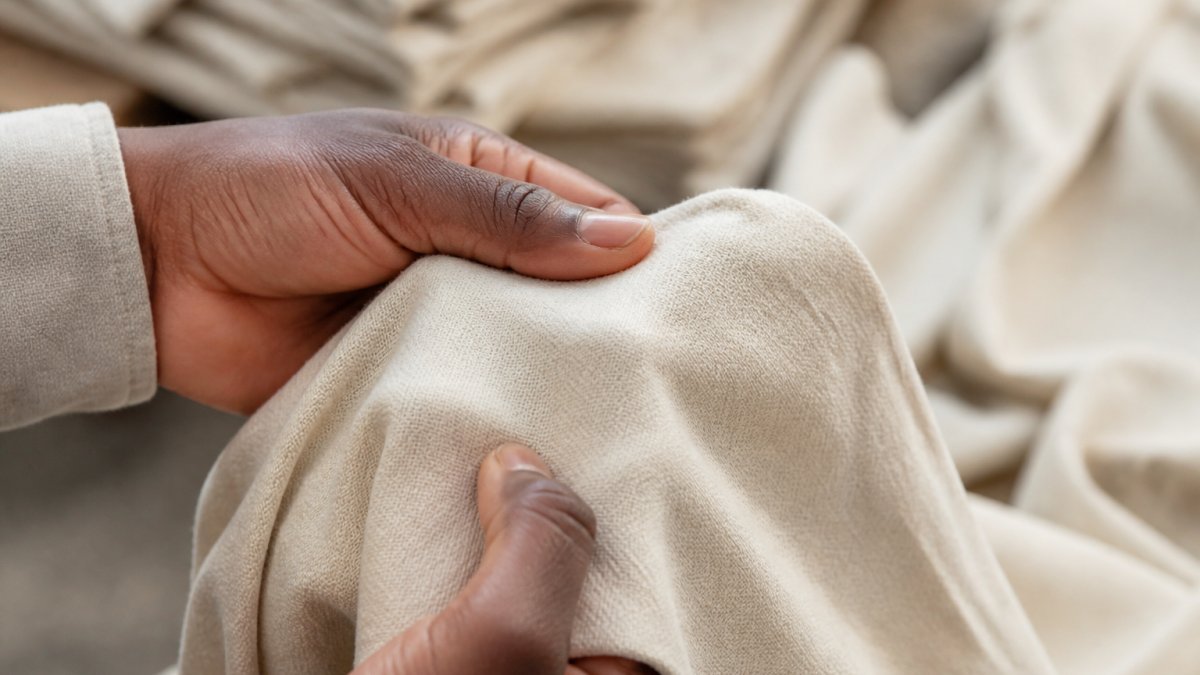
Saved, not finished uses sustainably and fairly grown USA cotton across most of our collection. The Growth Era Tee, Still Changing Tee, and several others start with 100% preshrunk cotton in select colors. When you choose a tee built from this material, you're investing in a garment that will hold up to regular wear and repeated washing while supporting responsible agricultural practices.

Natural Fibers: Hemp, Linen, and Bamboo for Durable Designs
Hemp and linen represent the deep end of sustainable fabric sourcing. Both require minimal water, pesticides, and fertilizer compared to conventional cotton. Hemp grows rapidly without depleting soil, and linen comes from flax plants that thrive in cooler climates with less intensive farming. For streetwear, these materials deliver durability.
Recycled Polyester Clothing: Performance Meets Responsibility
Recycled polyester flips the sustainability equation. Instead of growing new fibers, it transforms existing plastic, often from post-consumer bottles or textile waste, into wearable material. This approach eliminates the water-intensive farming step entirely and diverts waste from landfills.
The performance advantage is real. Recycled polyester holds dye brilliantly, resists wrinkling, and handles moisture better than cotton alone. For designs with vibrant colors or complex multi-color prints, recycled polyester delivers impact that pure cotton sometimes can't match. It also blends seamlessly with cotton to improve durability without sacrificing breathability.
The environmental trade-off deserves honesty. Recycled polyester still sheds microfibers during washing, and it's not biodegradable. But it's measurably better than virgin polyester, which draws from fossil fuels.
Many Saved, not finished pieces use blended fabrics to optimize print performance. The Still working on it sweat, for example, combines 50% cotton with 50% polyester, giving you the comfort of cotton with the durability and print-holding capacity of synthetics. This blend represents a practical compromise: it's not purely sustainable, but it's far more durable than a cheap all-cotton alternative that won't survive a season.

How to Choose Sustainable Fabric for Your Message
Consider your audience's expectations. Streetwear enthusiasts expect quality construction and material that feels intentional. Faith-driven consumers often value transparency about sourcing. When these overlap, as they do with Saved, not finished, you're serving an audience that will notice and appreciate the difference between cheap and considered.
| Fabric Type | Best For | Durability | Print Performance | Environmental Impact |
|---|---|---|---|---|
| 100% Organic Cotton | Minimalist designs, soft feel | Excellent with care | Good for DTG and screen print | Low water use, no synthetic pesticides |
| Cotton-Polyester Blend | Multi-color graphics, everyday wear | Very good | Excellent color holding | Moderate; polyester adds durability |
| Recycled Polyester | Vibrant colors, performance wear | Good | Excellent | Diverts waste, but sheds microfibers |
| Hemp | Heavy-duty designs, vintage aesthetic | Exceptional | Good | Minimal water, rapid regeneration |
| Soft, flowing designs | Good | Good | Renewable but chemical-intensive processing |
Best Fabrics for Streetwear That Lasts
Garment longevity is the ultimate sustainability metric. A tee that lasts three years beats a "sustainable" option that falls apart in six months. Durability comes down to three factors: fiber quality, fabric weight, and construction.
Weight matters more than most people realize. A 5.3-ounce preshrunk cotton (like the fabric in the Growth Era Tee, Still Changing Tee, Pro Over Per Tee, In Progress Tee, Faith Must Mature Tee, Saved Not Settled Tee, and Working On The Rest Tee) provides substantial body without feeling heavy. It resists pilling, holds its shape through washing, and ages well. Lighter fabrics under 4 ounces feel cheap and deteriorate faster.

The Still Fighting Tee uses a heavier 7.5-ounce fabric with 100% USA cotton in most colors, plus 2% lycra in the neck rib for stretch and recovery. The forward-thrusted shoulder seam and double-needle stitching throughout add durability.
Construction details compound the impact of fabric choice. Double-needle stitching at seams, taped shoulders, and reinforced hems all extend a garment's lifespan significantly. These details cost more to produce, but they're what separate apparel that lasts from apparel that doesn't. When you're expressing faith through your clothing, investing in pieces built to endure sends a message about your commitment.
Print Performance and Fabric Blends: What Works for Bold Statements
Cotton-polyester blends excel at holding vibrant colors and complex prints. The polyester component prevents dye bleeding, improves color saturation, and allows for finer detail work. Many streetwear brands use 50/50 or 60/40 cotton-polyester blends specifically because they deliver the visual impact that bold designs demand. Saved, not finished uses these blends strategically across the collection to ensure that designs print cleanly and colors stay vivid through multiple washes.
The Built By Tee offers a lightweight alternative at 4.45 ounces with 100% U.S. cotton and OEKO-TEX certified low-impact dyes. It's also made with Better Cotton partnership support, adding another layer of responsible sourcing.
Blends also improve moisture management and wrinkle resistance, practical benefits that extend a garment's wearable life. A tee that doesn't need ironing and dries faster gets worn more often, which means your message gets seen more often. This is a subtle but real advantage of thoughtful fabric selection.
Conclusion: Wearing Your Values
The best fabrics for sustainable christian streetwear aren't a single choice. They're a series of decisions that align your material with your message. Pure organic cotton communicates stewardship and environmental values. Blends prioritize durability and print performance. Recycled options divert waste while delivering vibrant results.
At Saved, not finished, we've chosen fabrics that balance these considerations across our collection. The Growth Era Tee, Still Changing Tee, and Pro Over Per Tee start with sustainably grown USA cotton for designs that work best on pure fiber. The Still Fighting Tee uses heavier 100% USA cotton for pieces built to last years of regular wear. The Built By Tee leverages OEKO-TEX certified dyes and Better Cotton partnerships for lightweight options. The Still working on it sweat blends cotton and polyester for durability and moisture management in heavier pieces.
When you choose Saved, not finished apparel, you're not just buying a tee or hoodie. You're investing in a garment built from materials selected for performance, sourced with intention, and constructed to endure. Your faith message deserves to be worn by someone who's serious about living it out loud, and that starts with fabric that won't let you down.
GOTS organic certification standards
OEKO-TEX sustainable textile standards
Better Cotton Initiative farming practices
Frequently Asked Questions
What is the most sustainable fabric for Christian streetwear?
Organic cotton is grown without synthetic pesticides, reducing environmental harm during production. It offers breathability, durability, and comfort for everyday wear. For added sustainability, look for fabrics certified by textile standards that verify ethical production and low-impact dyes.
How do I choose sustainable fabric when the design needs to hold up to frequent wear and printing?
Select heavier-weight cotton blends or 100% preshrunk cotton (5.3 oz or higher) for durability and print retention. Cotton-polyester blends like 50/50 mixes improve stretch recovery and color fastness, keeping your faith message crisp through washing.
Is recycled polyester sustainable for graphic tees and hoodies?
Yes, recycled polyester reduces landfill waste and cuts energy use compared to virgin polyester. It performs well in blends, offering moisture management and durability for printed designs. However, it doesn't biodegrade, so it's best paired with natural fibers in a blend. For Christian streetwear, a 50/50 cotton-polyester mix balances sustainability, print quality, and garment longevity.
What fabrics work best for comfortable, durable streetwear that expresses faith?
Organic cotton, heavyweight cotton blends, and preshrunk fabrics deliver comfort and durability. Look for double-needle stitching, taped shoulders, and seamless ribs at the neck, these construction details extend garment life. Cotton-polyester blends improve stretch and color retention.