
Table of Contents
- Defining the 'Preachy' Aesthetic in Faith-Based Apparel
- How to Make Faith a Statement With Clothes Without Overdoing It
- Quality Control and Intentionality: What Separates Bold From Tacky
- How to Start Conversations With Faith Apparel That Actually Resonates
- Modern Christian Apparel Trends: Balancing Witness and Wearability
- The Psychology of Preachiness and Why It Backfires
- Sustainable and Ethical Manufacturing: The Foundation of Authentic Faith Brands
- Conclusion
Defining the 'Preachy' Aesthetic in Faith-Based Apparel
What makes faith-based apparel feel "preachy" to some while others see it as bold witness? The answer lies in how design, messaging, and intentionality converge. At Saved, not finished, we've observed that are faith brands too preachy is less about the message itself and more about how it's delivered, the visual weight, and whether the wearer feels empowered or uncomfortable.
The "preachy" label typically applies to apparel that prioritizes the message over the garment, oversized text that dominates the front, heavy-handed imagery, or messaging so explicit it leaves no room for interpretation. This assumes the wearer wants to evangelize through clothing alone, without conversation or nuance. But faith expression exists on a spectrum. Some want apparel to spark dialogue; others prefer a quieter approach where the message complements rather than overwhelms the design.
This distinction matters because it shapes how the wearer experiences their own clothing. A piece that feels preachy becomes uncomfortable to wear in everyday situations. The garment stops being an expression of identity and becomes a statement requiring explanation or defense. Intentional design that respects both the message and the wearer creates apparel that feels confident, wearable, and genuinely conversation-starting rather than confrontational.
How to Make Faith a Statement With Clothes Without Overdoing It
Making faith a statement through apparel doesn't require screaming your beliefs across your chest. The most effective faith-inspired clothing balances visibility with wearability through thoughtful design choices rather than aggressive placement.
Start by considering placement and scale. Smaller, strategically positioned graphics or text on the sleeve, back neck, or subtle chest placement carry the message without dominating the garment. This approach respects the wearer's comfort while still making a statement. When someone asks about your shirt, you have an opening for conversation.
Typography matters significantly. A clean, modern sans-serif font reads differently than heavy, decorative lettering. Paired with minimalist design, it feels contemporary and approachable. Ornate styling can tip into territory that feels dated or performative.
Color strategy also shapes perception. Neutral colorways, black, white, gray, navy, allow the message to stand out without visual aggression. Unexpected combinations signal intentionality and design sophistication. Neon or overly bright colors can amplify the "preachy" feeling by adding visual intensity to an already bold message.
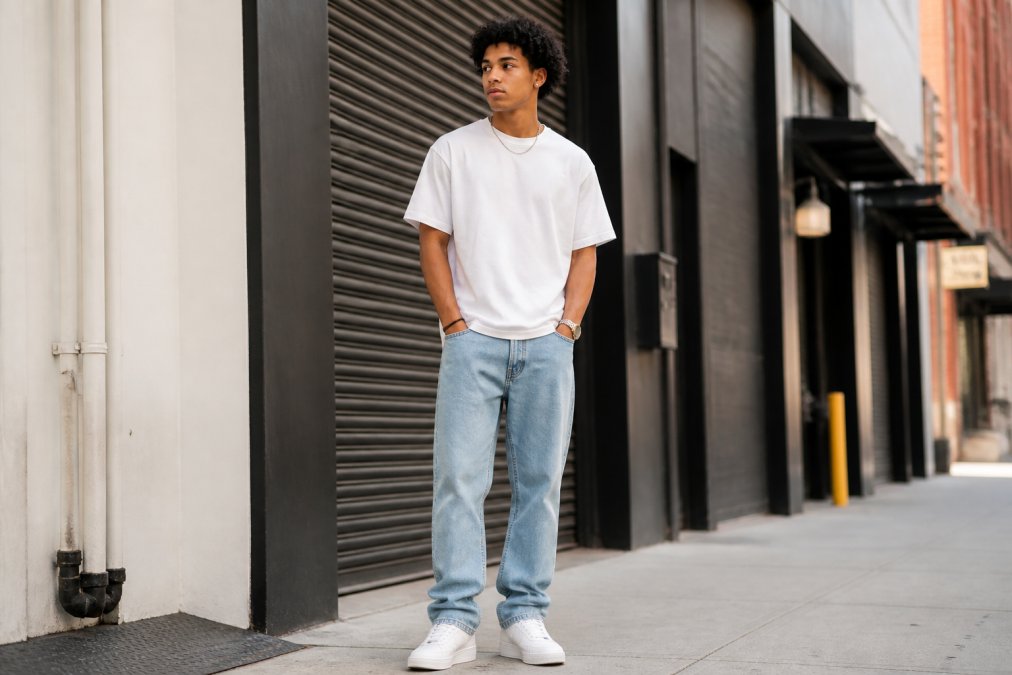
Consider pairing. How does the piece work with your existing wardrobe? Faith apparel that integrates seamlessly into streetwear, casual wear, or professional contexts feels natural and confident. The best designs enhance your personal aesthetic rather than requiring you to adopt a new one.
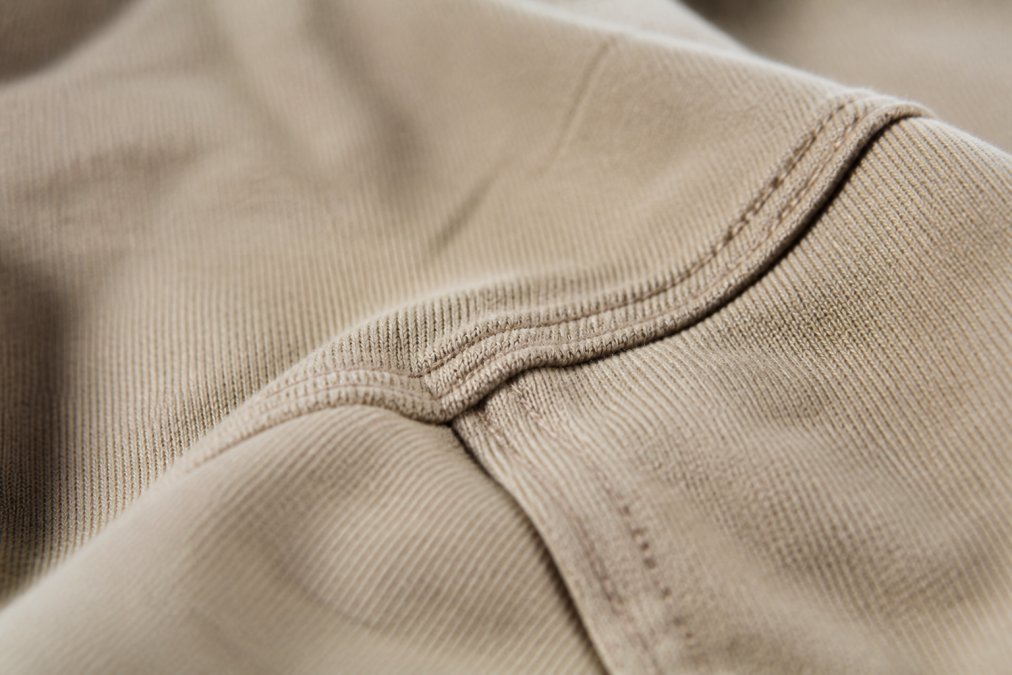
Quality of execution signals respect for the message. If the print feels cheap, the fabric deteriorates quickly, or stitching is sloppy, the entire piece reads as low-effort. Conversely, apparel made from quality materials with thoughtful construction communicates that the message deserves excellence. Saved, not finished pieces like the blessed Tee use 100% USA cotton with double-needle stitching and taped shoulders, ensuring the garment itself reflects the same intentionality as the message.

Quality Control and Intentionality: What Separates Bold From Tacky
A message about faith deserves a garment worthy of it. When fabric pills after three washes, print cracks after a few months, or fit doesn't account for actual human bodies, the entire piece collapses. Quality control isn't a luxury in faith apparel; it's foundational to authenticity.
Intentionality in manufacturing means choosing materials that will last, construction methods that withstand repeated wear, and production processes that maintain consistency. The garment itself becomes part of the witness.
The difference between bold and tacky often comes down to restraint. Tacky apparel tries too hard, layering multiple design elements, using clashing colors, relying on outdated imagery. Bold apparel knows what it's saying and trusts the message enough to say it clearly without excess. A single, well-executed graphic beats a cluttered front.
Intentionality also means understanding your design purpose. Are you creating apparel for evangelism, community building, personal expression, or starting conversations? Each purpose shapes design decisions differently. Apparel designed for conversation-starting typically uses more subtle messaging and higher-quality execution.
Testing matters. Brands that invest in prototype testing, wear-testing, and feedback loops produce better results. Many faith brands skip this step, rushing designs to market without understanding how real people will experience wearing them.
How to Start Conversations With Faith Apparel That Actually Resonates
The goal of conversation-starting apparel is to create an opening where someone notices your shirt and asks about it. That opening only exists if the design is intriguing rather than preachy.
Effective conversation-starting apparel uses messaging that raises questions rather than making declarations. A phrase like "Not Perfect" (as seen in the Not Perfect Tee) invites curiosity. Someone might ask what it means. That question becomes your conversation starter. Compare this to a shirt that says "Accept Jesus Now", there's no question, no opening, no space for dialogue.

Subtlety creates intrigue. A small graphic, clever phrase, or unexpected design element makes someone lean in to understand. Bold, explicit messaging stops the conversation before it starts because there's nothing left to discuss.
The quality and confidence with which you wear the piece matters enormously. Apparel worn with genuine comfort reads as authentic. Apparel worn with hesitation reads as uncomfortable, even if the design is solid. When you know your garment is well-made, you wear it with more confidence, and that confidence makes the piece more conversation-starting.
Context shapes impact too. The same piece hits differently at a coffee shop, work environment, or faith community gathering. Apparel that's versatile across multiple settings tends to start more conversations because you're wearing it more often.
Modern Christian Apparel Trends: Balancing Witness and Wearability
Contemporary faith apparel is moving away from overtly religious aesthetics toward streetwear integration, minimalist design, and messaging that feels current rather than isolated from mainstream culture.
The streetwear influence is significant. Faith-inspired pieces now draw from contemporary street culture, oversized fits, color blocking, typography-forward designs, and cultural references that resonate with younger audiences. This integration means faith apparel can exist within a broader wardrobe context. Pieces like the Saved branded tee reflect this approach, using contemporary design language while maintaining clear faith messaging.
Minimalism is another major trend. Single-color designs with small, strategic graphics. Negative space that lets the garment breathe. Typography-only messaging without accompanying imagery. This approach respects the wearer's intelligence and comfort level.
Authenticity and vulnerability are gaining traction in messaging. Rather than aspirational declarations, modern faith apparel often acknowledges struggle, doubt, and growth. Phrases like "Faith Must Mature" (from the Faith Must Mature Tee) or "Saved but Settled" (from the Saved but Tee) reflect real spiritual experience rather than perfectionistic ideals.

Sustainable and ethical manufacturing is becoming non-negotiable. Consumers increasingly expect that faith expression aligns with ethical production, fair labor practices, environmentally responsible materials, and supply chain transparency. Brands that cut corners on manufacturing while emphasizing faith messaging face credibility issues.
Community-focused branding is replacing purely individual expression. Modern faith apparel often signals belonging to a community rather than serving as solo witness. Designs that work as visual shorthand for a faith community create connection without alienation.
The balance between witness and wearability is the defining tension of modern Christian apparel. The best contemporary designs honor both, bold enough to make a statement but wearable enough to feel natural in everyday contexts.
The Psychology of Preachiness and Why It Backfires
When someone feels they're being preached at, their natural response is defensiveness or dismissal (peer-reviewed research). The message becomes less important than the delivery method. A person wearing obviously preachy apparel often experiences discomfort because they're aware they're being perceived as trying to convert others through their clothing.
Preachiness also creates distance. It positions the wearer as different, separate, "other (apa.org)." Rather than building bridges for conversation, it can create barriers. People tend to move away from perceived judgment or pressure, even if that's not the wearer's intention.
There's also a credibility gap. When apparel feels preachy, observers often question the wearer's motivations. Are they wearing this for genuine faith expression or for attention? Subtler, more intentional design avoids triggering these defensive reactions.
The "cringe factor" in faith apparel often stems from preachiness. When design feels outdated, messaging feels heavy-handed, or garment quality doesn't match the message's importance, observers experience secondhand embarrassment. This isn't about the faith itself, it's about the gap between the message's significance and the execution's sophistication.
Preachiness also limits the wearer's agency. A piece that's obviously preachy doesn't allow the wearer to control the narrative. Conversely, apparel with intentional subtlety allows the wearer to decide when and how to discuss the message, reclaiming agency in the conversation.
Sustainable and Ethical Manufacturing: The Foundation of Authentic Faith Brands
A faith message printed on a garment made through exploitative labor practices creates a fundamental contradiction. Authentic faith brands recognize that ethics in manufacturing aren't separate from the message, they're central to it.
Sustainable manufacturing addresses environmental impact. Using sustainably grown cotton, as featured in pieces like the Gods Not Done tee, reduces water usage, pesticide exposure, and soil degradation. Renewable energy in production processes lowers the carbon footprint. These commitments align faith values with manufacturing reality.
Ethical labor practices ensure that people making the apparel are treated fairly, paid adequately, and working in safe conditions. This is foundational to any brand claiming to represent faith values. A shirt made by underpaid workers in unsafe conditions contradicts any message about human dignity.
Transparency in the supply chain allows consumers to verify these claims. Brands that openly share where materials come from, who manufactures their pieces, and what standards they meet build trust.
Quality also connects to sustainability. A garment that lasts years represents better environmental stewardship than a cheap piece that falls apart after months (the EPA). Durability means less waste and better value for the wearer. This is why investing in quality materials and construction, as reflected in pieces like the Saved Not Settled Tee, serves both ethics and sustainability.
The question of whether faith brands are too preachy doesn't have a simple yes-or-no answer. It depends on design intentionality, manufacturing ethics, message delivery, and the wearer's own comfort level. The strongest faith-inspired apparel respects both the message and the wearer, bold enough to make a statement but subtle enough to invite conversation rather than demand agreement. It's made well enough that the garment itself reflects the message's importance, and it's designed by brands committed to ethical practices that align their values with their manufacturing.
When evaluating faith apparel, look beyond the message to the execution. How is it made? Does it integrate into your existing style? Does wearing it feel confident or uncomfortable? Does the design trust the wearer and the message enough to use restraint? These questions matter more than whether the message itself is "too much." The best faith apparel helps you express your beliefs authentically, in settings where you feel genuinely comfortable.
Shop now with Saved, not finished and discover faith-inspired apparel designed for confidence, quality, and real conversation. Our collection, from the blessed Tee to the Not an option Tee, balances bold witness with wearable design, crafted from sustainably grown USA cotton with attention to detail that honors both your faith and your style.
Frequently Asked Questions
What defines a 'preachy' faith-based brand?
A preachy faith brand relies on heavy-handed messaging, oversized graphics, and aggressive religious language that dominates the design rather than complementing it. The difference lies in intentionality: preachy apparel prioritizes the message over wearability, often resulting in designs that feel uncomfortable to wear in everyday settings. Quality faith brands balance their witness with aesthetic appeal, allowing the wearer to feel confident in any context, work, school, or casual hangouts. The most effective faith-based apparel invites curiosity rather than demanding agreement.
How can faith apparel actually spark meaningful conversations?
Faith apparel starts conversations when the design is thoughtful enough to make people pause and ask questions. Rather than stating beliefs directly, designs that incorporate subtle biblical references, clever wordplay, or striking visuals create natural openings for dialogue. The key is making your faith a statement through clothes that feel authentic to your personal style. When someone sees you wearing something that aligns with both street culture and spiritual conviction, they're more likely to ask what it means than to feel preached at. This approach respects the viewer's autonomy while creating space for genuine connection.
Is there a difference between evangelism and faith-based fashion branding?
Yes. Evangelism is intentional spiritual outreach aimed at conversion or discipleship, while faith-based fashion branding is about expressing personal identity and values through clothing. The best modern Christian apparel trends blur this line thoughtfully, your clothes become a conversation starter about your faith, but they don't demand or manipulate. Wearing faith-inspired apparel like the Saved but Tee ($18.98) or Truth over Tee ($18.98) is a form of authentic self-expression that invites dialogue without coercion. The wearer controls the narrative rather than the garment dictating it.
Why do so many faith-based brands feel cheap or low-quality?
Many faith brands prioritize message over manufacturing, cutting corners on fabric quality, stitching, and durability to maximize profit margins. This reinforces the perception that faith apparel is tacky or disposable. Quality matters because it signals intentionality. When a brand invests in sustainable, fairly grown USA cotton and double-needle stitching, like the blessed Tee ($23.13), it communicates that your faith expression deserves the same care as any other aspect of your identity. Brands that treat their apparel as a legitimate fashion statement, not just a vehicle for messaging, build trust and create pieces people actually want to wear repeatedly.
This article was written using GrandRanker